MINISTRY OF COMMUNICATION AND MEDIA; Year 1 of Suminwa II: Julien Paluku highlights foreign trade reforms, the protection of local industry and the opening of new markets
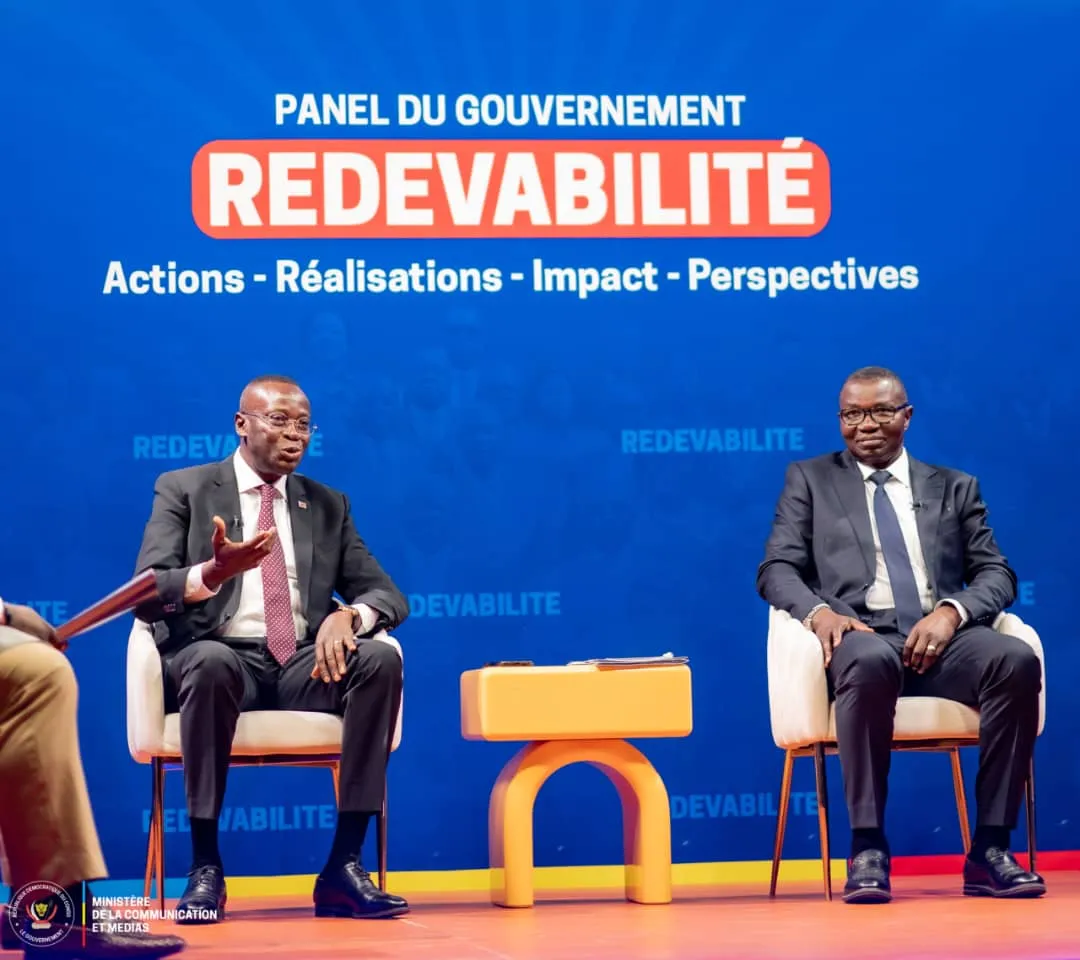
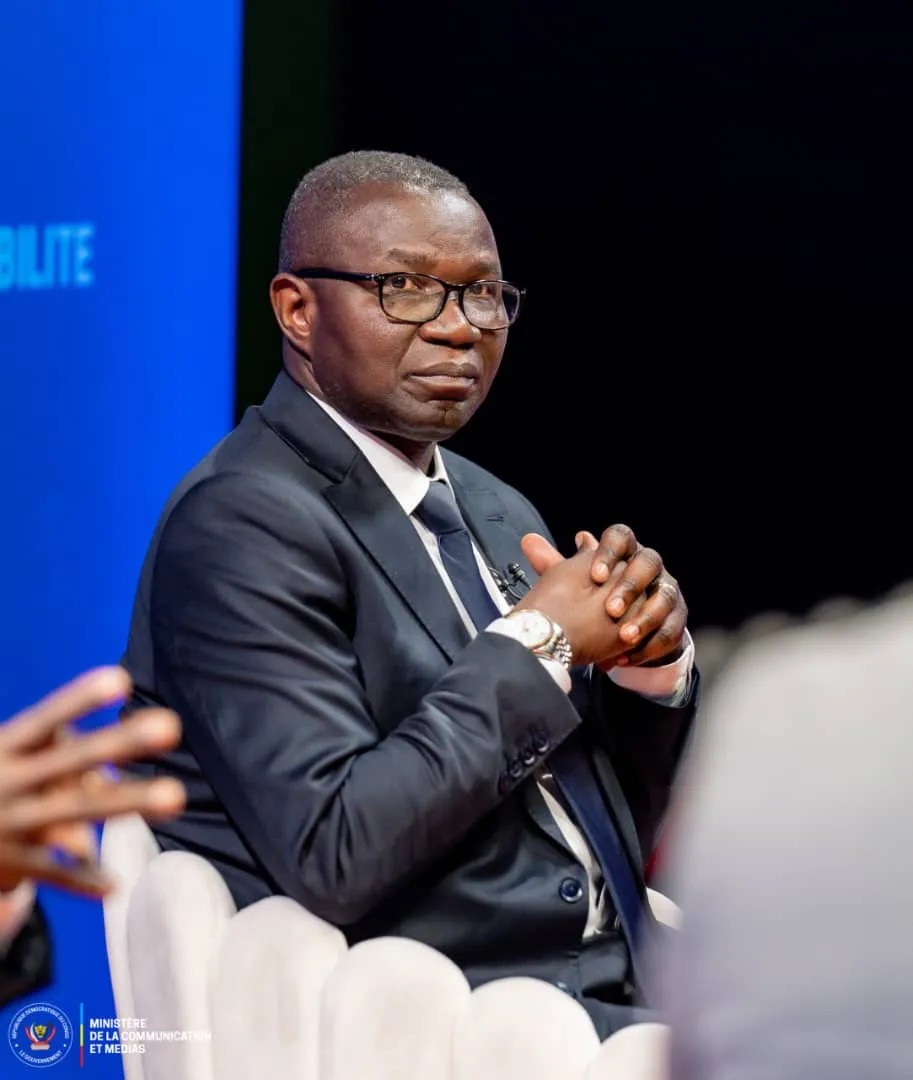
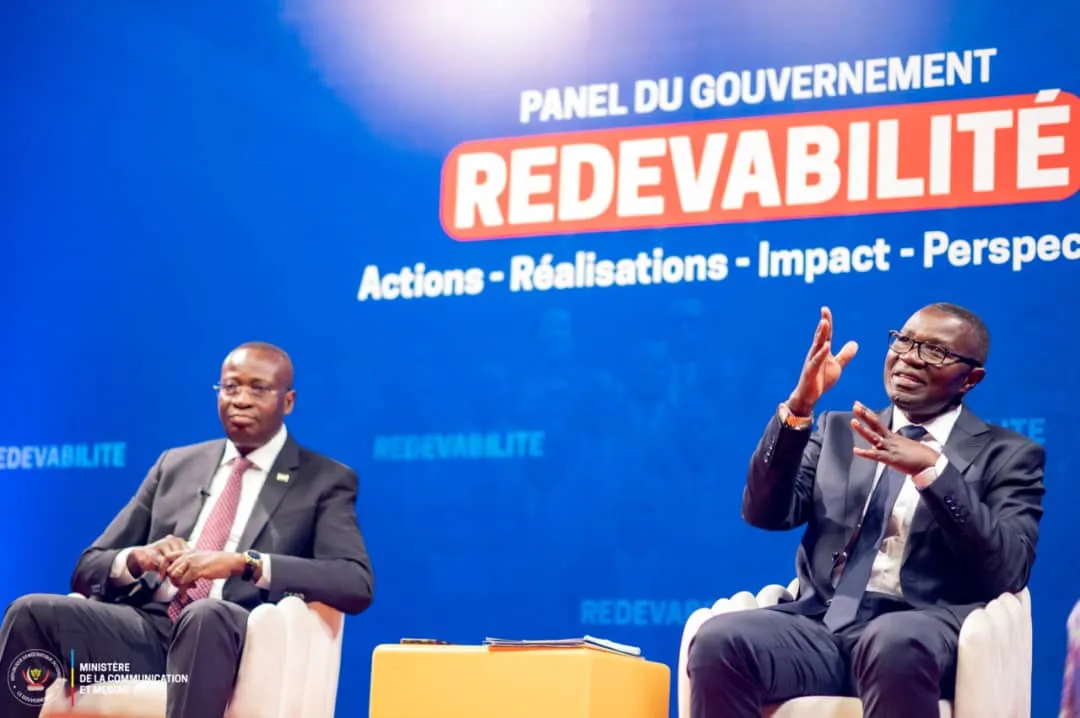
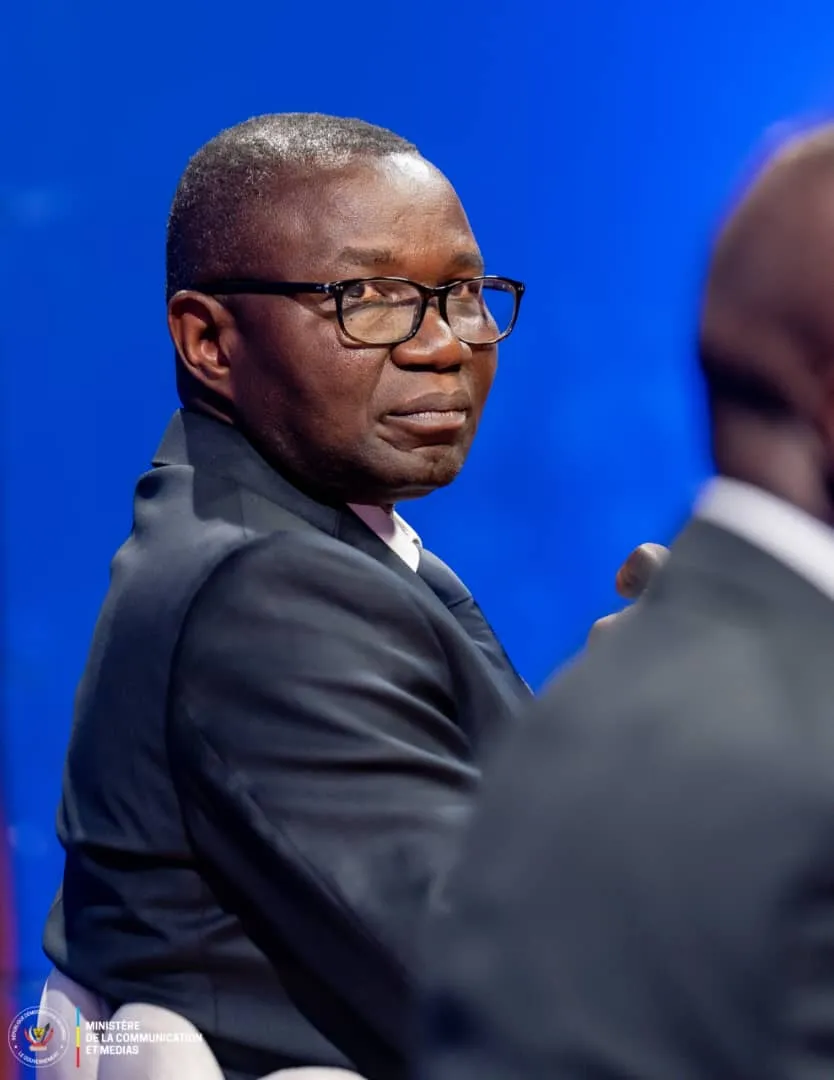
On the occasion of the accountability exercise marking the first year of the Suminwa II Government, the Minister of Foreign Trade, Julien Paluku Kahongya, presented the results of the reforms undertaken to strengthen the competitiveness of the Congolese economy, protect national production, expand the opportunities for Congolese products on international markets and clean up internal trade.
Facing the press, the minister stressed that the actions carried out during this first year are part of the vision of the President of the Republic, Félix Antoine Tshisekedi Tshilombo, aiming to build a more productive economy, creating jobs and more integrated into regional and global markets.
A local industry more protected against dumping
Julien Paluku recalled that the protection of local industry is one of the priorities of his ministry. To date, nearly 17 products manufactured in the Democratic Republic of Congo benefit from safeguard measures consistent with World Trade Organization (WTO) rules, intended to limit imports when national production capacity is sufficient.
These measures concern in particular cement, tiles and earthenware, electric cables as well as coal used in the mining sector. According to the minister, they make it possible to preserve jobs, support local businesses and limit the outflow of foreign currencies devoted to imports.
He insisted on the collective nature of these decisions, which mobilize the entire Government, in particular the customs services, the Congolese Control Office (OCC), the security forces and the administrations concerned.
In the same dynamic, a joint mission with the Ministry of National Economy was carried out in several provinces in order to evaluate the mechanisms for protecting local flour mills and strengthening national production of corn flour.
A major step forward with the ratification of the Trade Facilitation Agreement, The Minister presented as one of the main achievements of the year 2025 the ratification of the WTO Trade Facilitation Agreement. After its adoption by the Government, its vote in Parliament and its promulgation by the Head of State, the instruments of ratification were officially deposited in Geneva.
This reform aims to modernize commercial procedures, improve the fluidity of trade and strengthen the economic attractiveness of the DRC while guaranteeing the protection of the interests of national industry.
Small businesses now reserved for Congolese
Regarding internal trade, Julien Paluku recalled the entry into force of the decree signed at the end of March 2026 by the Prime Minister, clarifying activities reserved exclusively for Congolese.
The text now defines small commerce and reserves it for national operators, while certain activities requiring significant investments, notably supermarkets, hypermarkets, hotels and the sale of new vehicles, remain open to foreign investors.
The minister announced that September 30 is the deadline set for the strict implementation of this reform. Identification operations have already been carried out in the 24 communes of Kinshasa, with the support of the Congolese National Police.
According to him, the ministry now has a complete database of the operators concerned, including their addresses, administrative documents and locations, in order to guarantee the effective application of regulatory measures.
A commercial diplomacy focused on conquering international markets
Julien Paluku also took stock of the commercial diplomacy strategy carried out under the leadership of the President of the Republic and the Prime Minister.
He notably cited the readmission of the DRC to AGOA, the American trade regime allowing Congolese products to access the United States market without customs duties. According to him, Congolese exports to the United States increased from $280 million in 2020 to $1.2 billion in 2026.
The minister also mentioned the signing of a Comprehensive Economic Partnership Agreement with the United Arab Emirates, opening access to nearly 6,000 Congolese products to the Emirati market.
Added to this is a trade agreement concluded with the United Kingdom after Brexit, offering Congolese products preferential access to British territories without customs duties.
RECOS to facilitate cross-border trade
The Government has also implemented the Simplified Commercial Regime (RECOS) to support small cross-border traders.
Thanks to an interministerial decree signed with the Ministry of Finance, traders whose goods do not exceed $500 benefit from an exemption from customs duties in trade with neighboring countries.
The system is already operational with Burundi and Uganda, while its extension to Zambia is underway.
Julien Paluku also announced the gradual elimination of fraudulent practices observed at the Kasumbalesa border post, in particular the phenomena known under the names “Bilanga” and “Bambaro”, which led to significant losses of public revenue and endangered users.
The AfCFTA: the DRC accelerates its African economic integration
In his capacity as government coordinator of the African Continental Free Trade Area (AfCFTA), Julien Paluku explained that the DRC is continuing the gradual implementation of tariff concessions planned over a period of ten years.
Each year, a 10% reduction in customs duties is integrated into the finance law, until tariff barriers are completely removed by 2035.
The minister also announced that the DRC is negotiating to host an African payment system allowing economic operators to trade in national currencies, without systematically resorting to the American dollar.
Inform producers about global opportunities
To enable economic operators to take advantage of new markets, the ministry organizes educational mornings with the Federation of Congolese Enterprises (FEC) and regularly publishes international price lists.
Julien Paluku cited several agricultural sectors with high potential, notably cocoa, soya and pepper, for which international demand is particularly high.
He encouraged Congolese producers to invest more in export crops capable of generating high added value, rather than limiting themselves to import activities.
Modernization of the OCC and digital traceability of products
Finally, the minister presented the innovations undertaken within the Congolese Control Office (OCC) to strengthen consumer protection.
During this first year, new control laboratories were built and inaugurated in Kalemie, Lubumbashi, Matadi and Kinshasa to improve national product analysis capacities.
In the coming weeks, the OCC will also launch a national QR Code system allowing each consumer to check, from their mobile phone, whether a product has been controlled and certified.
This innovation will particularly concern medicines and will make it possible to immediately identify non-compliant products or products unfit for consumption, while facilitating their reporting to the competent services.
Foreign trade serving economic transformation
At the end of this accountability exercise, Julien Paluku reaffirmed the Suminwa II Government's commitment to making foreign trade a lever for economic transformation, job creation and enhancement of national production.
He stressed that the reforms undertaken aim simultaneously to protect the interests of Congolese producers, improve the competitiveness of local businesses, secure consumers and sustainably position the Democratic Republic of Congo on major regional and international markets.