Implementation of a customs union to facilitate trade among member states.
Marchés potentiels
EAC
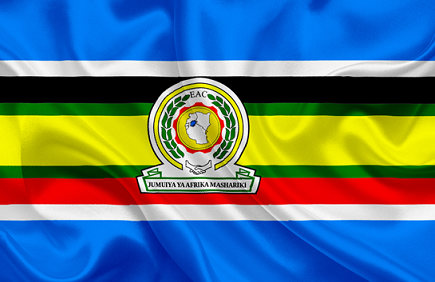
East African Community — la République Démocratique du Congo au sein de la Communauté d’Afrique de l’Est.
East Africa
East African Community (EAC)
Jumuiya ya Afrika Mashariki
The East African Community (EAC) is an intergovernmental organization comprising Burundi, Kenya, Rwanda, South Sudan, Tanzania, Uganda, and, since 2022, the Democratic Republic of the Congo. Established in 1967 and revived in 2000, the EAC aims to promote regional integration.
Major Pillars of Regional Integration
Main stages outlined in the EAC integration process
Development of a common market promoting the movement of goods, services, persons, and capital.
Progression towards a monetary union within the framework of regional integration.
Long-term vision of a political federation of member states.
The DRC within the EAC
A new milestone in regional integration
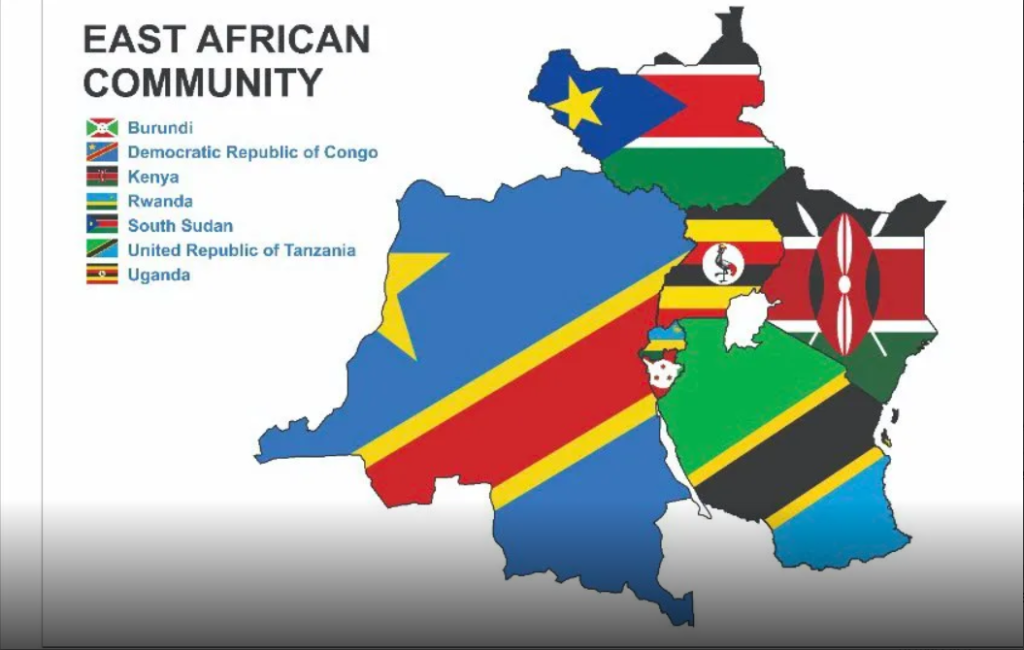
DRC — East African Community
The Democratic Republic of the Congo officially joined the East African Community in March 2022, becoming the seventh member of this strategic regional organization.
This accession marks an important step in the country's economic and diplomatic policy, geared towards regional integration and diversification of commercial partnerships.
The Ministry of External Trade plays a central role in implementing DRC's commitments within the EAC, while protecting national economic interests.
Objectives of DRC Integration
Key objectives presented within the framework of DRC accession
Boost Trade
Boost trade exchanges with neighboring countries and promote better integration of Congolese economic operators into regional trade chains.
Stimulate Investments
Stimulate foreign investments by reducing tariff and non-tariff barriers and improving regional market access conditions.
Strengthen Regional Cooperation
Strengthen cooperation in infrastructure, energy, security, and transportation.
Facilitate Movement
Facilitate the movement of goods, services, people, and capital within the regional integration process.
Ministry of External Trade — EAC
Main workstreams related to DRC integration
Support Commercial Integration
Since joining the EAC, the Ministry of External Trade actively works to integrate regional commitments into national trade policies and practices.
- Harmonize national legislation with EAC protocols, particularly regarding standards, tariffs, rules of origin, and dispute settlement mechanisms.
- Enhance the competitiveness of Congolese enterprises so they can take advantage of the expanded market.
- Raise awareness among economic operators regarding intra-EAC trade rules and opportunities.
- Promote local industrialization and processing of Congolese raw materials within a regional framework.
- Defend DRC's economic interests in EAC technical and ministerial meetings.
Challenges Related to Integration
Main challenges identified for the DRC
Key Challenges
- Weakness of road and rail infrastructure connecting the DRC to other member countries.
- Lack of administrative and customs harmonization.
- Need for structural reforms to adapt regulatory frameworks to regional standards.
With its natural resources, large population, and geographical positioning, the DRC possesses assets that can contribute to trade and cooperation within the East African region.
Strategic Integration for the DRC
Trade, cooperation, and regional openness
The DRC's accession to the EAC constitutes a major milestone in opening up the country to regional trade and diversifying its economic partnerships. The Ministry of External Trade, together with other relevant institutions, participates in implementing this integration and promoting the DRC's economic interests within the region.